

Waste Management

Waste-to-energy technology
 

Waste-to-Energy(WTE)
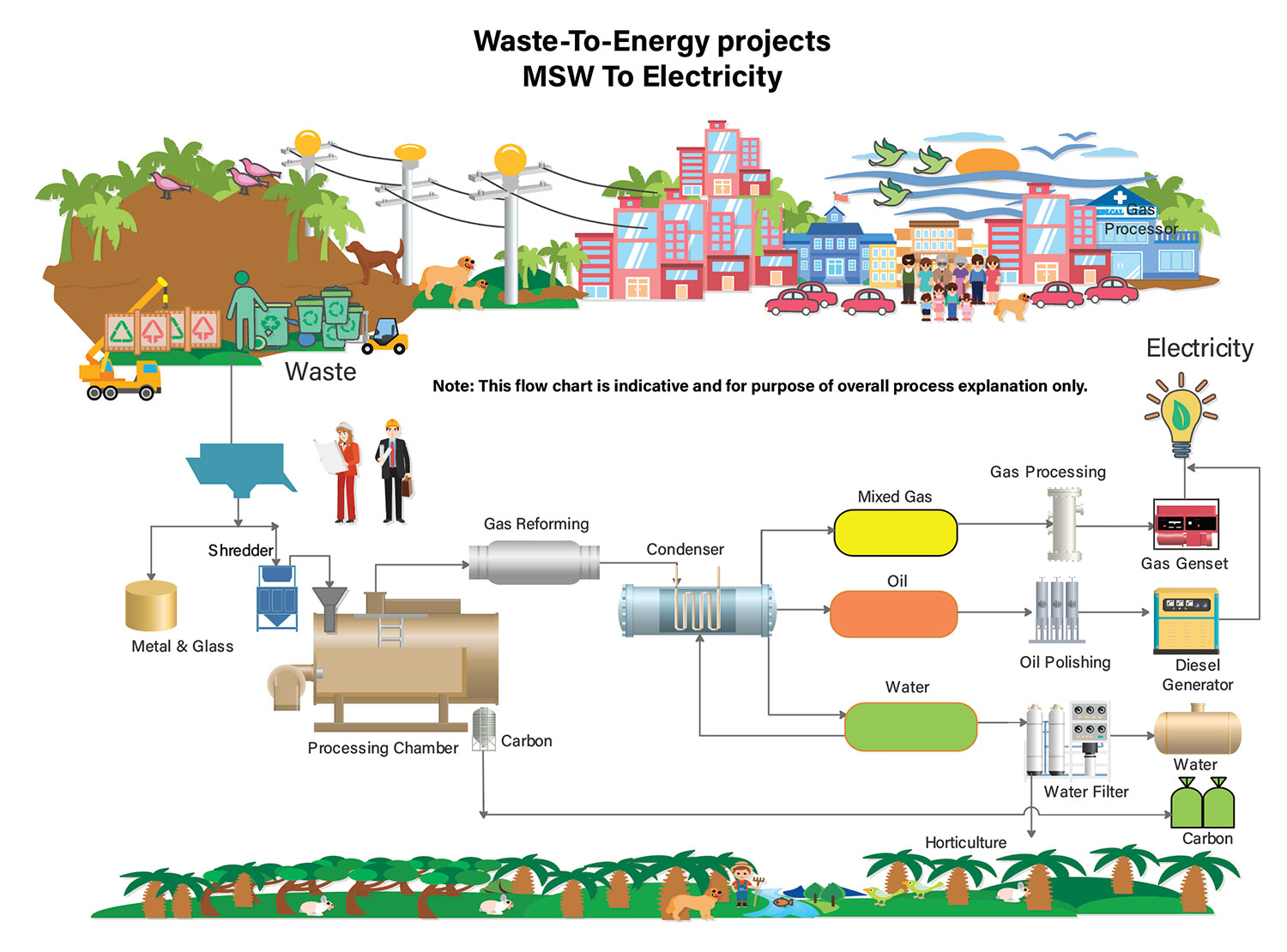
Waste-to-Energy means turning waste into useful energy like electricity, heat, or fuel. Instead of sending waste to landfills, it is treated in special plants where it is burned or processed to produce energy. This helps reduce waste and keeps our cities cleaner. In simple words, it’s about making power from garbage.

Bioremediation technology
 

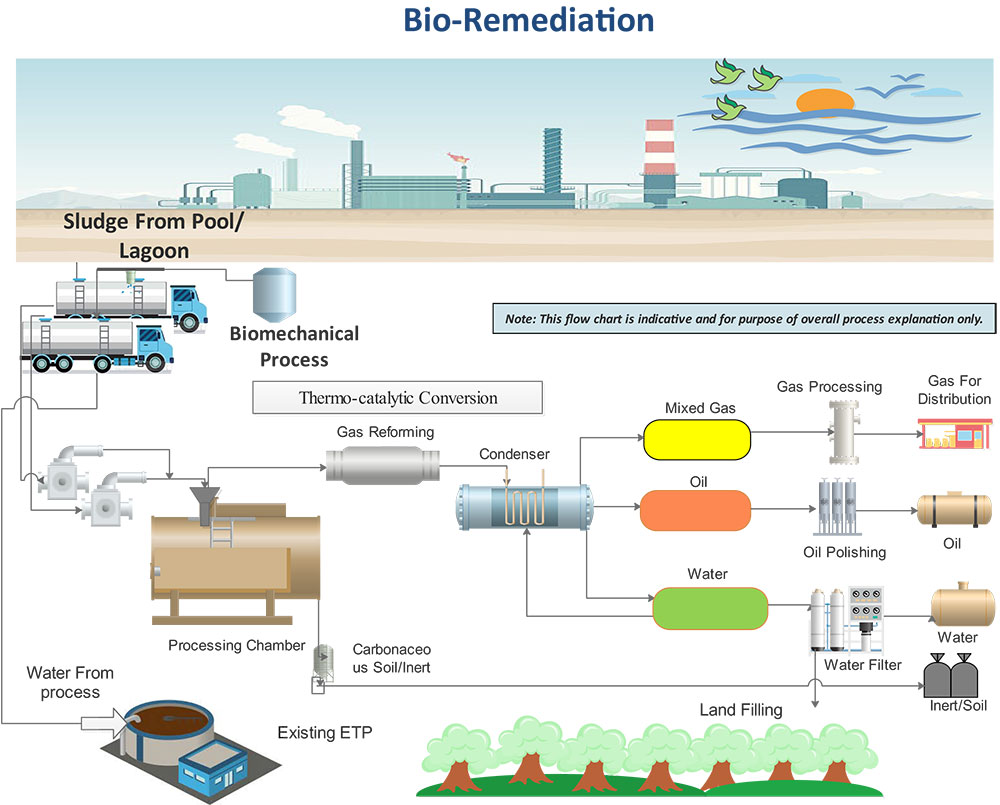
Bioremediation

Bioremediation means using natural microbes like bacteria or fungi to clean pollution in soil, water, or air. These tiny organisms break down harmful substances into safe ones, helping nature recover on its own. Simply put, it’s nature’s way of cleaning itself with a little scientific help.

Sludge management technology
 

Sludge Management

Sludge is the thick material left after cleaning dirty water in treatment plants. It contains dirt, bacteria, and waste from the water. With proper treatment, sludge can be used as fertilizer, fuel, or raw material. So, it can either be waste or a useful resource, depending on how we use it.

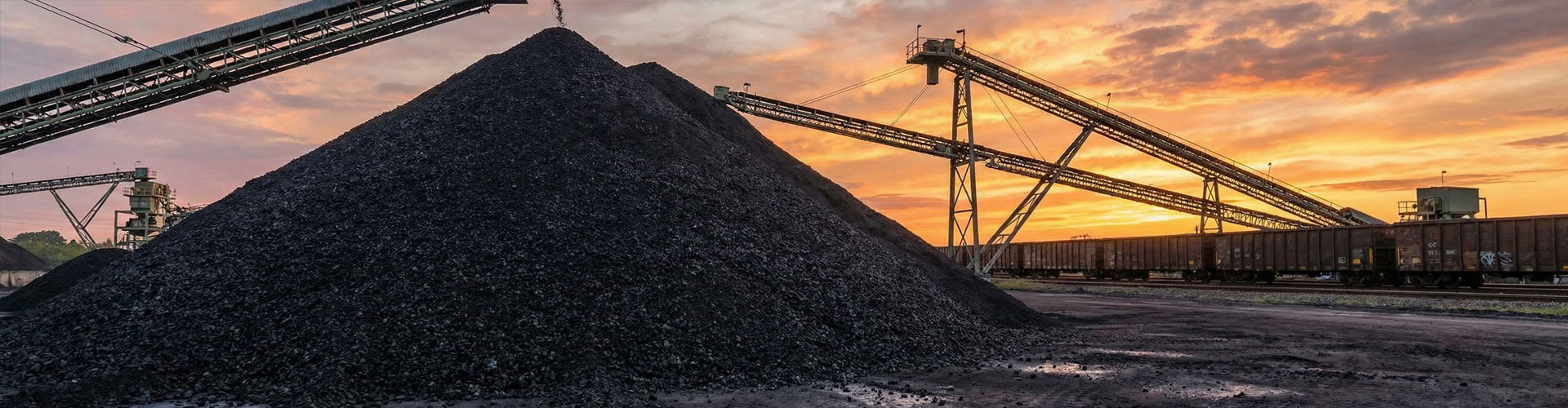
Coal gasification technology
 

Coal Gasification

Coal gasification is a process that turns coal into gas (called syngas) instead of burning it directly. This gas can be used to make electricity, fuels, or chemicals in a cleaner way. In simple terms, it’s a modern and less-polluting way to use coal.

Wastewater treatment technology
 

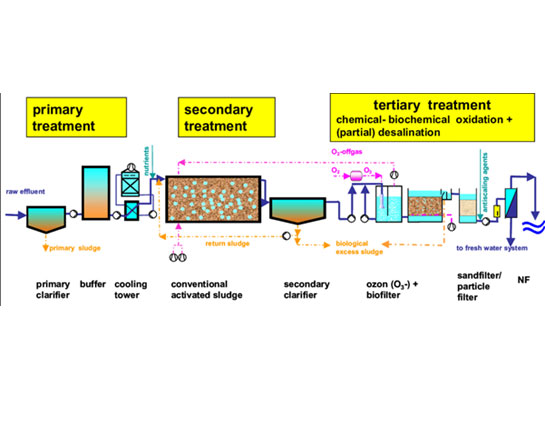
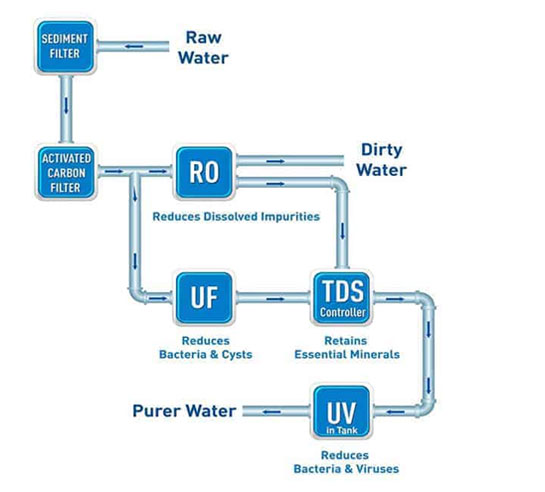
Wastewater Treatment

Wastewater treatment means cleaning used water from homes or factories so it can be reused or safely released into rivers or farms. It removes dirt and harmful substances using filters, microbes, and chemicals. In short, it’s the process of making dirty water clean again.

Waste To Energy

Enecovery’s technologies are designed for holistic waste-to-energy solutions. Our offerings can be installed independently or in customized combinations based on:
  • Waste type
  • Local environmental considerations
  • Energy recovery goals
  • Economic feasibility

Products & Services Waste-to-Energy Plants (municipal and industrial applications) Reforming mixed municipal, agricultural, industrial, plastic, and rubber waste. Produces hydrocarbon liquid fuels, syngas, hydrogen, e-methanol, green carbon, electricity, and water. Same-day conversion without segregation or drying.
High scalability, safety and sustainability compared to traditional methods. Clean Fuel Production: Hydrocarbon liquids, hydrogen, syngas Clean and green byproducts – Methanol, MDI, Polyol, Acetic Acid, MDI, Chloro methane, Methyl Formate, Methyl Amines and DME etc. Green Carbon Production for industrial applications Renewable Electricity Generation

Molecular reformation conversion process reforms contaminated and comingled waste containing hydrogen and carbon into hydrocarbon liquid fuels, hydrocarbon gas, carbon & water, without the need of segregation or drying, on the same day as generated.

Processing MSW Diagram

Processing MSW Diagram

The process uses a low temperature, thermally assisted catalytic process which is broadly classified as a thermal cracking process, with an operating temperature ranging from about 350 to 450 degrees celsius. This process adds to the environmental benefits and ensures carbon (CO2) savings (Negative CFT) in the broader perspective.

The compact design and eco-friendly process, helps the design of plants to have the flexibility of installation at convenient locations. The WtE plants have modular capacities from 0.5 TPD to 200 TPD per module, enabling scaling up to required levels.


Output Utilisation
Gas Electricity using gas generator / gas turbine
Energy source for gas grids
Extraction of Hydrogen and other Hydrocarbons
Kitchen gas
Heating application
Oil Produce electricity using generators
Carbon Thermal power plants
Coal gasification
Fertilisers
Heating applications
Water Process water / Make-up water
Flushing / Horticulture
Potable water on further treatment
Generate electricity by hydropower
Environmental Benefits:
  • Negative Carbon Footprint Total
  • Up to 75,000 tonnes of annual carbon saving from 1500 tonnes of waste to energy plant
  • No pollution and emission
  • No Dioxins and Furans
  • Low particulate matter count
  • Low Nitrogen Oxide & Sulphur Oxide emissions
  • All readings & emissions below permissible limits worldwide
  • Zero discharge/emission – Maintains flora & fauna of mother Earth!
Socio-Economical Benefit:
  • Mitigation of waste surrounding the community
  • Create unique and new employment opportunities
  • Create alternate source of green energy
  • Commercial benefit by utilizing the output
  • Environmental damage control
  • Improved utilisation of valuable land

Electrolysis

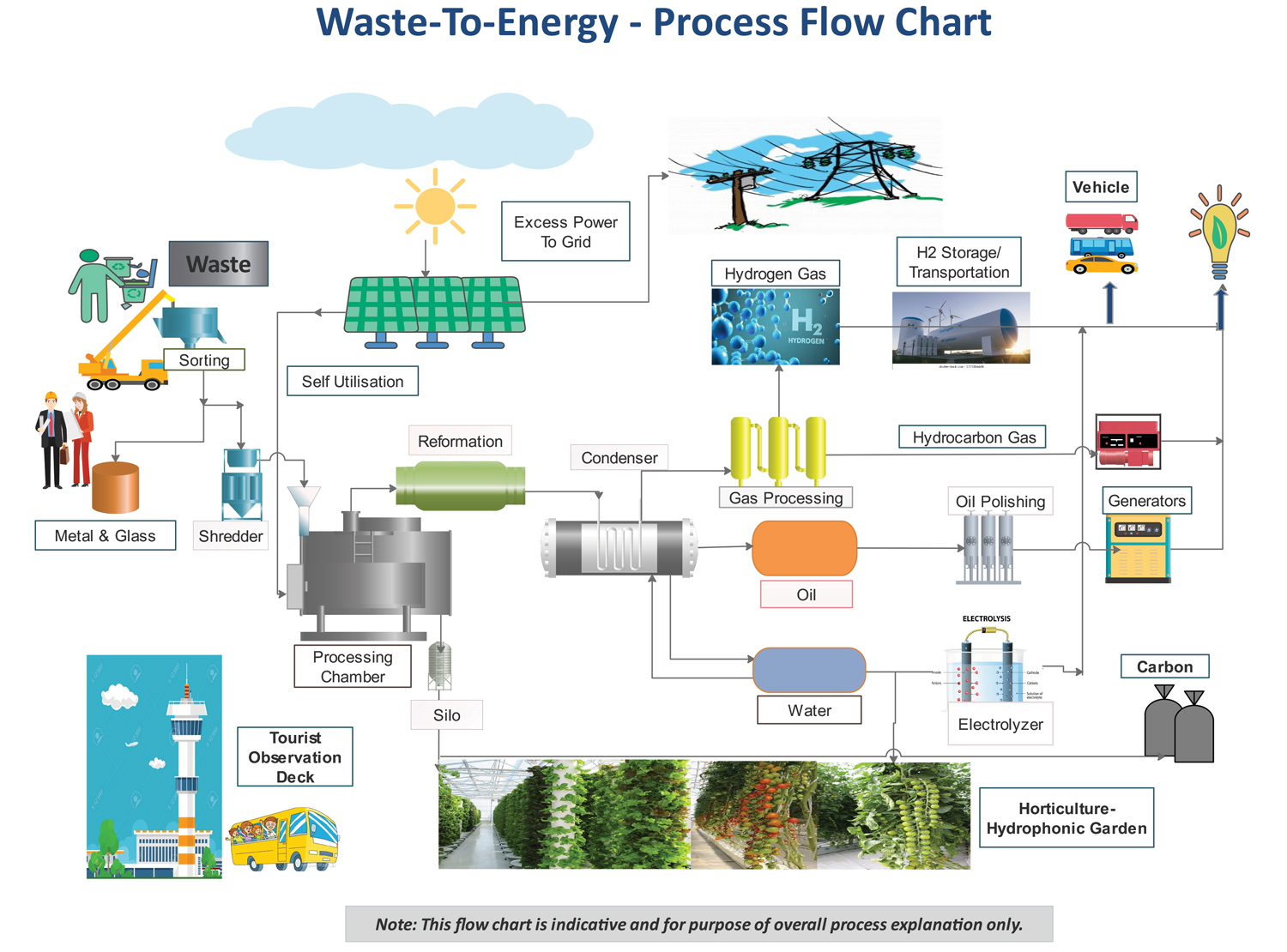
Electrolysis is a promising option for hydrogen production using electricity to split water into hydrogen and oxygen. This reaction takes place in a unit called an Electrolyser. Electrolysers can range in size from small, appliance-size equipment that is well-suited for small-scale distributed hydrogen production to large-scale. Electrolysis is tied in to the process of reformation by making use of the recovered water from waste to energy plants. This Green Hydrogen, thus produced via electrolysis, would generate additional hydrogen on the same site which is used for reformation of solid waste without the need of procuring water from other sources.
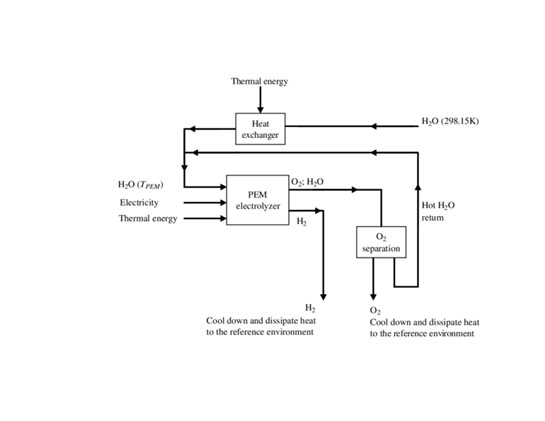
Processing MSW Diagram

Syngas Production

We recover Hydrogen-rich Syngas from MSW/Biomass/Agri waste/harvest waste etc through a two-stage purification and separation system which can be built in with waste to energy plants. This proprietary system uses highly advanced and cutting-edge technologies for optimum result. The hydrocarbon vapours are first received at the outlet of molecular reformation converters during the Thermo-catalytic conversion process called “Catalytic recovery of gases”. The non-condensable gases are then passed through the extraction process to recover hydrogen, carbon monoxide and other hydrocarbon gases.
These gases pass through a gas concentrator and polishing system to maximise the purity of the various gas fractions that includes Hydrogen also. There are two streams of gases obtained as final products, i.e., Hydrogen-rich Syngas and Hydrocarbon gases. The Hydrocarbon gases are stored/used further generating electricity.